guitares julien sublet
EST. 2017 | canada
Acoustic | Electric Guitars
“the design of a guitar has to make sense as a whole. The sound, the way it feels in your hands, the woods and the lines of the instrument should all belong together.”
julien Sublet | Luthier
-
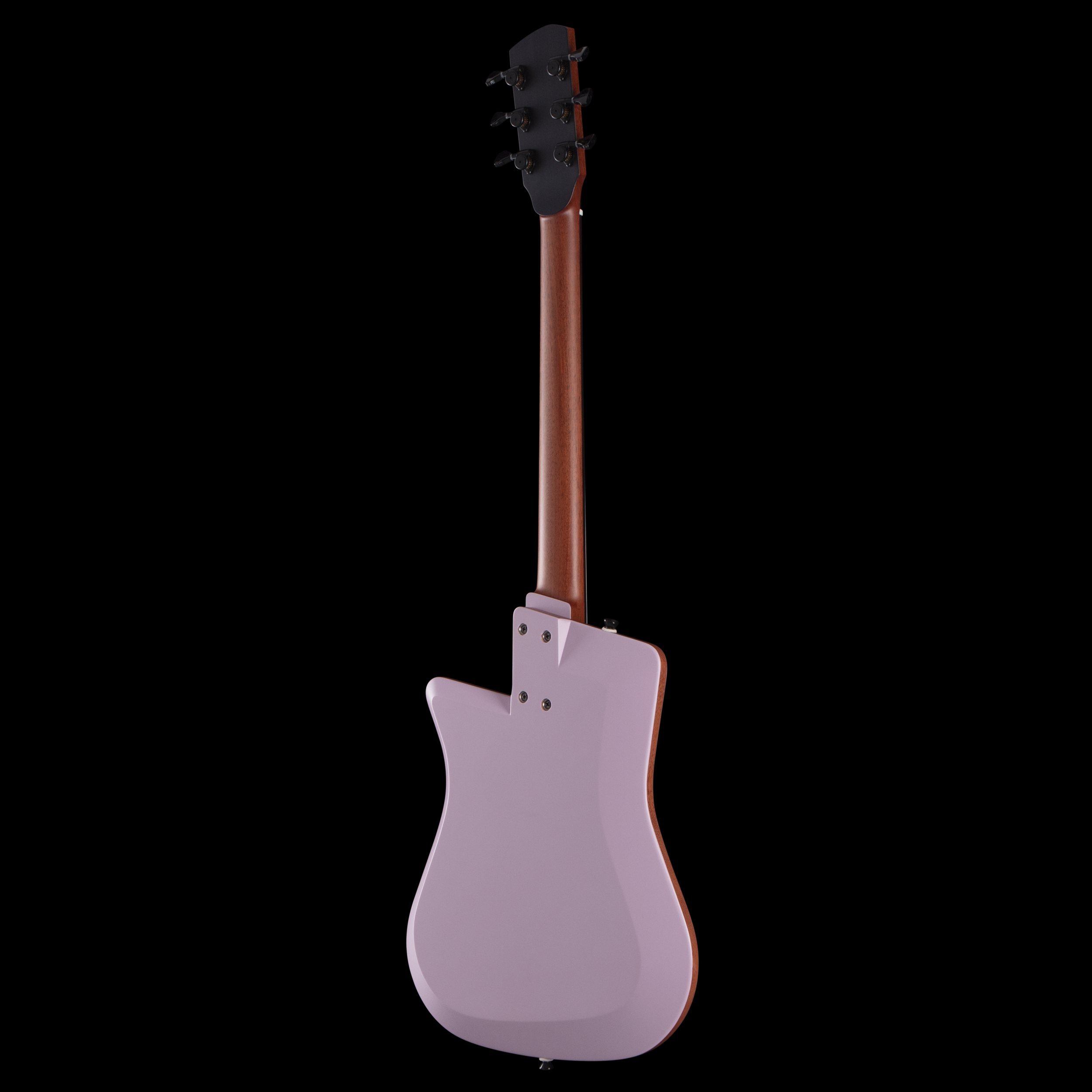
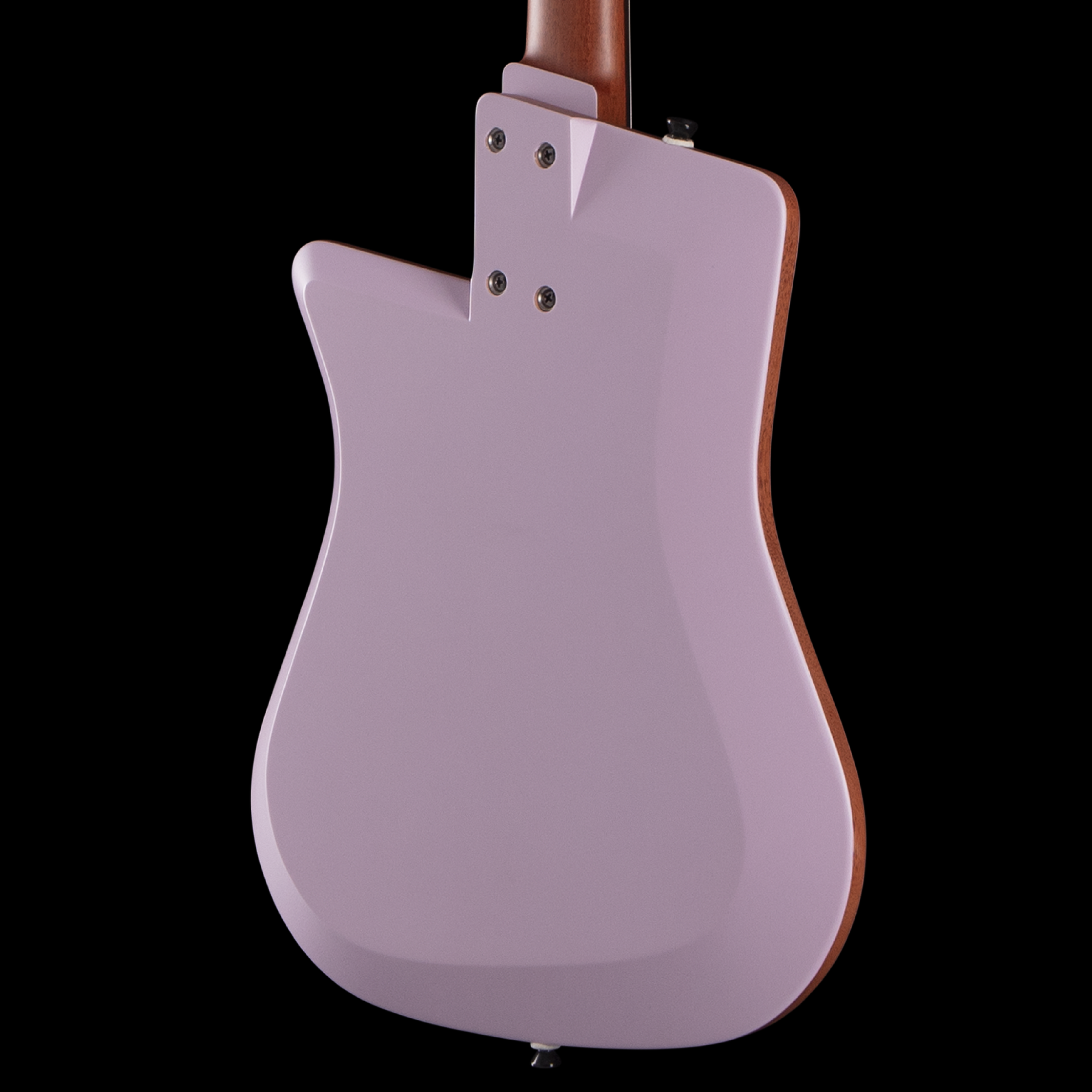
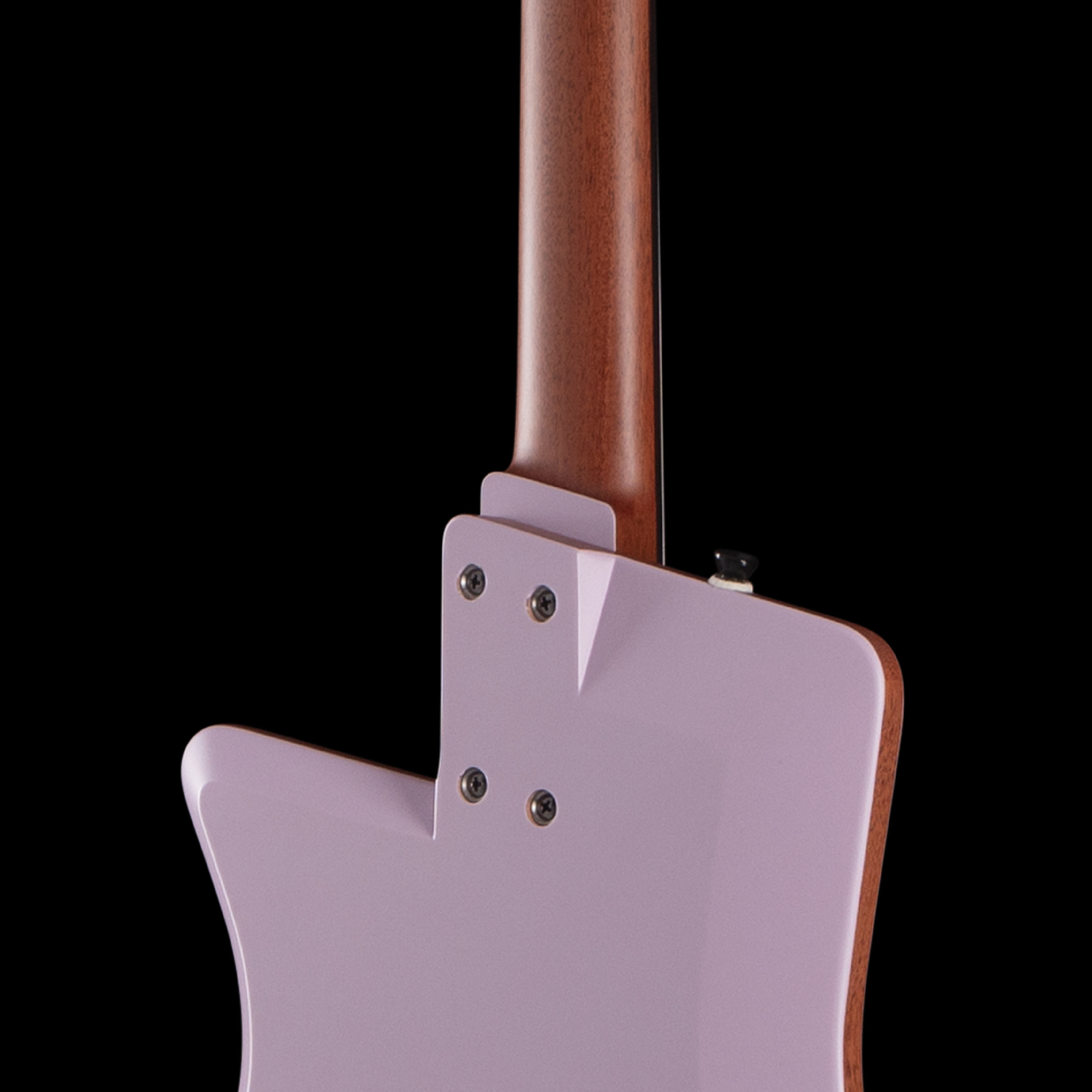
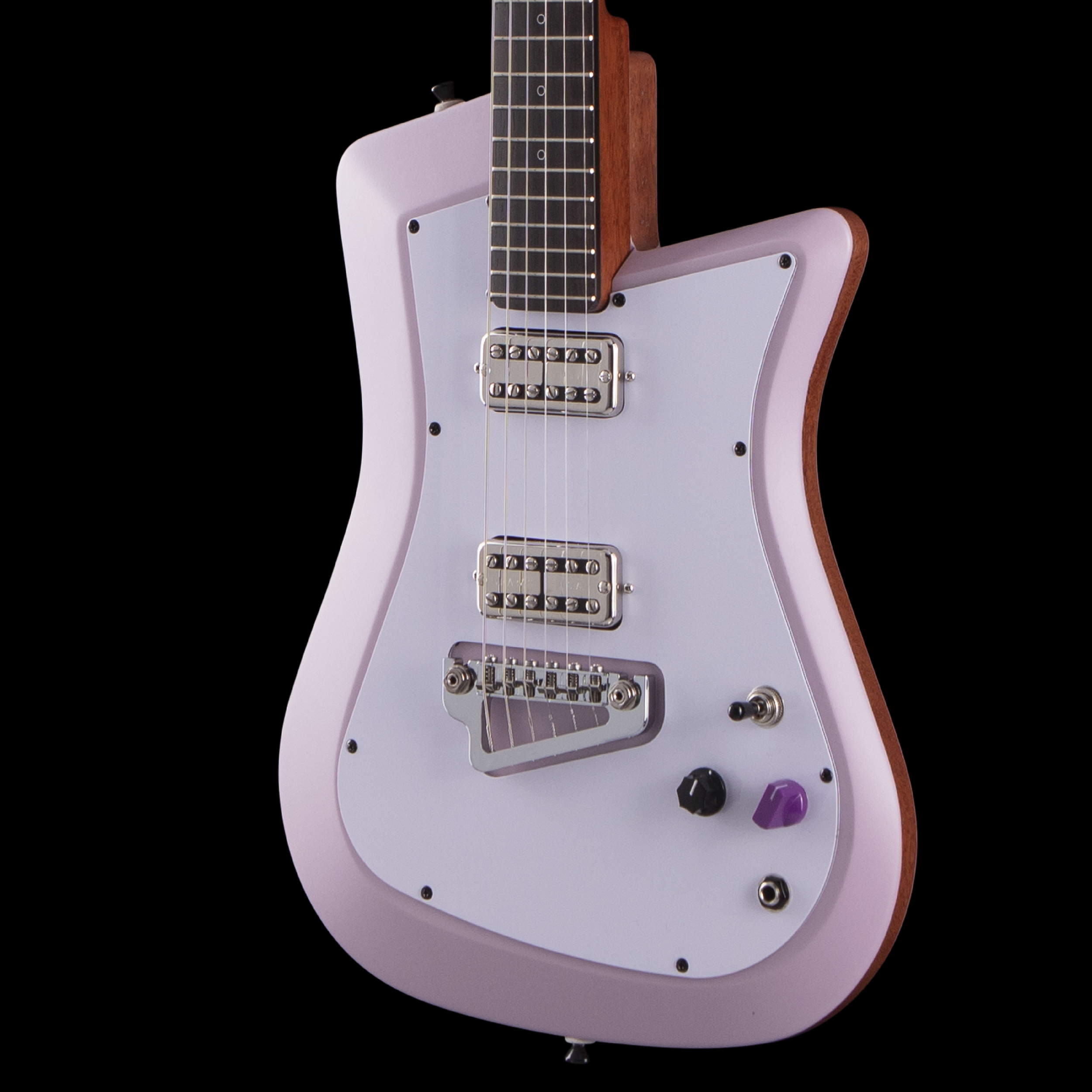
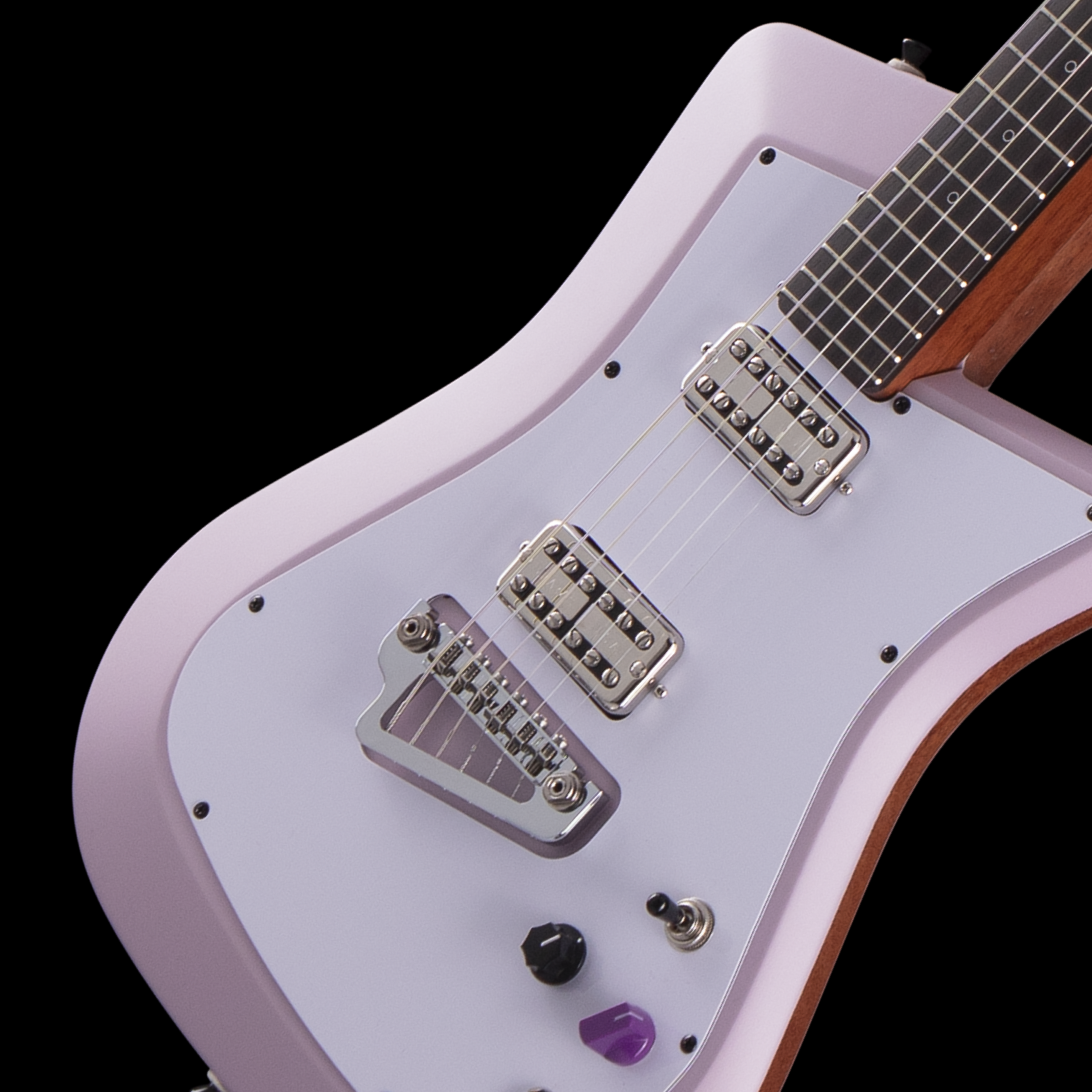
Built one at a time in Québec City, Julien Sublet’s instruments balance visual refinement with the practical demands of the player. His signature aesthetic draws on the geometry and architectural lines of Art Deco, setting them against the natural curves of the guitar. The result is recognizable without relying on ornament for ornament’s sake: proportion, materials and details are considered as parts of a complete design.
That same attention extends to sound and ergonomics. From wood selection and body shape to appointments and playability, each instrument is developed as an individual piece and can be shaped in collaboration with its future owner. The workshop’s models span established acoustic forms and original designs. Still, the underlying approach remains consistent: create an instrument in which sound, comfort, craftsmanship and visual identity belong to the same conversation.
Julien Sublet GA-C Acoustic Guitar Demo | Swiss Spruce & Ziricote
Hear the Julien Sublet GA-C acoustic guitar in this Eddie’s Guitars demo with Matt Chulka. Built with Swiss spruce and Ziricote, this Grand Auditorium cutaway pairs rich sustain and harmonic complexity with ergonomic details, refined craftsmanship, and a versatile voice for fingerstyle and flatpicking.
GA-C Acoustic
demo
demo
the guitar channel
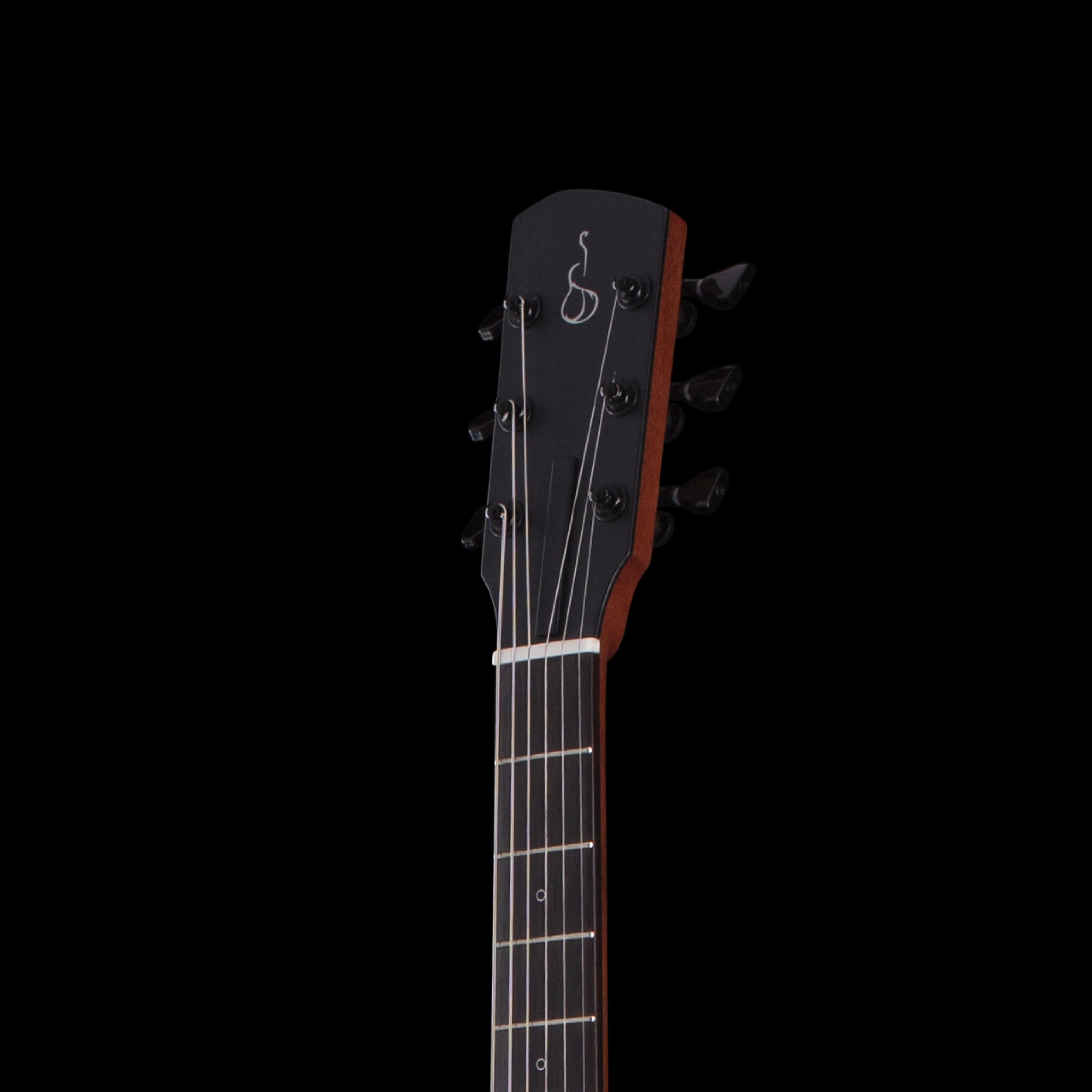
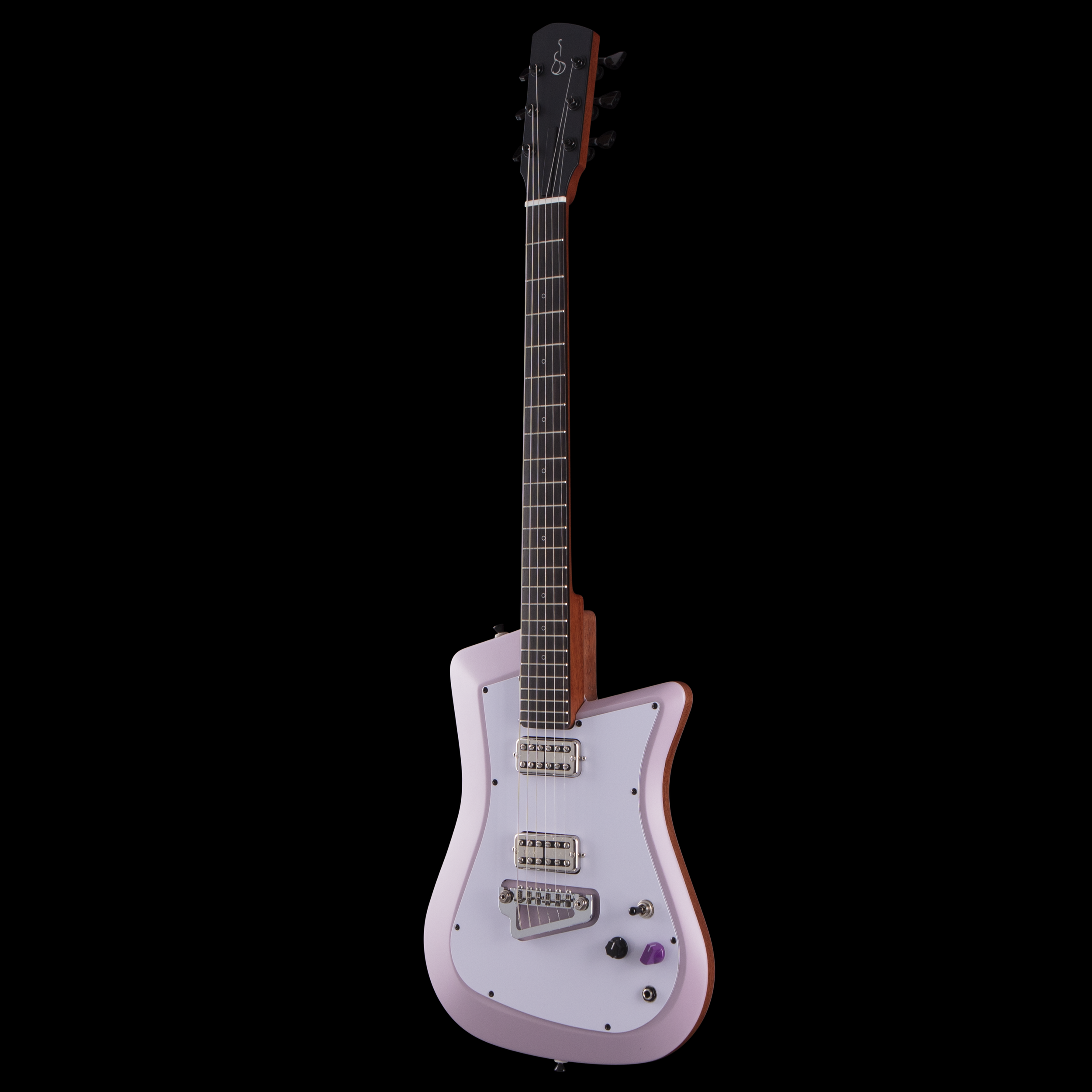
Watch Pierre Journel of The Guitar Channel demo the Julien Sublet TS1 at MIGS 2026. This refined electric model reinterprets a familiar single-cut shape with Julien Sublet’s minimalist design language, distinctive geometry, and a deep, articulate voice.
boutique guitar showcase entour | 2026
-
![A white electric Julien Sublet guitar with a wood neck and purple accent details against a black background, with white text overlay for a guitar showcase event.]()
entour 2026


“I came to lutherie through a love of guitars and a love of working with wood.”
julien sublet | Luthier
-
The desire to build guitars eventually brought Julien to Québec City and the National School of Lutherie. He stayed in Canada and established his own work there, bringing together the European woodworking tradition of his early training with the steel-string guitar culture he encountered in North America.
Julien’s interests extend beyond construction technique. Art Deco architecture and design have become important influences on his visual language, while the relationship between musician and instrument remains central to how he works. Rather than separating beauty, ergonomics and sound, he treats them as interconnected parts of the same object. His custom process continues that idea by inviting the player into decisions ranging from the initial design to the selection of woods.